Key things to look over before booking a Dubai buggy trip
Know what you are signing up for
Planning a desert ride in Dubai is exciting. The dunes, the sun, the chance to open up the throttle on a buggy, it all sounds perfect. But before you hand over your booking details, it pays to slow down and run through a few checks. A little homework now can save you from surprises later. Here is what matters most when you are choosing a buggy experience in Dubai.
Vehicle condition and maintenance
The buggy itself is the heart of the experience. You want a machine that has been looked after. Ask about the age of the fleet and how often the buggies are serviced. A well-maintained buggy handles the desert terrain better and is less likely to break down mid-ride. Look for signs of wear on the tyres, the roll cage, and the seat belts. A reputable operator will have nothing to hide and will usually let you inspect the vehicle before you set off. If the company is vague about maintenance, consider that a red flag.
Safety gear and briefing
Dubai’s desert is not a forgiving place if you are unprepared. A proper operator will provide a helmet, goggles, and gloves as standard. They should also give a thorough safety briefing that covers how to drive on sand, what to do if you roll the buggy, and how to stay with the group. Do not assume that a quick ‘just follow the guide’ is enough. A good briefing takes at least ten minutes and includes a practical demonstration. If the operator rushes through it, that tells you something about their attitude to safety.
Insurance and liability
Accidents happen, even on well-organised trips. Before you book, find out what insurance is included. Some packages cover damage to the buggy and medical costs, while others leave you exposed to a hefty excess if you scratch a fender or get stuck in a dune. Read the terms carefully. If the operator cannot explain their insurance clearly in writing, that is a warning. You do not want to discover after a minor bump that you owe thousands of dirhams in repair costs.

Route and terrain
Not all desert tracks are the same. Some routes are gentle cruises across flat sand, while others throw steep dunes and tight turns at you. Think about your own skill level and what you want from the ride. If you are a beginner, a route that is too aggressive can be frightening rather than fun. Ask the operator about the terrain, the length of the ride, and the pace. A good company will match the route to the group’s ability. They should also tell you if there are any particularly tricky sections so you know what to expect.
Group size and guide ratio
Desert buggy trips often run in groups. A large group can mean more dust, more waiting, and less personal attention from the guide. Check how many buggies go out together and how many guides accompany them. A ratio of one guide per four or five buggies is reasonable. Any more than that and the group may get strung out, making it harder for the guide to keep everyone safe. If the operator runs convoys of ten or more buggies with a single guide, think twice.
What is included in the price
Some advertised prices look very attractive, but they may not include everything you need. Check whether the price covers the buggy rental, fuel, safety gear, and the guide. Some companies charge extra for transfers from your hotel, for a second rider, or for a longer session. Ask for a full breakdown before you pay. That way you will not be hit with surprise add-ons when you arrive. Also, find out the cancellation policy. If plans change, you want to know if you can get your money back or reschedule without penalty.
Reputation and reviews
There is no shortage of operators in Dubai, but their standards vary. Spend a few minutes reading recent reviews on independent platforms. Look for comments about vehicle condition, punctuality, and how the company handles problems. A few negative reviews are normal, but a pattern of complaints about safety or broken-down buggies is a clear warning. Also, check whether the company is registered and licensed to operate desert tours. A legitimate operator will have the required permits from the relevant Dubai authorities. If you cannot find any evidence of a licence, that is a reason to walk away.
What to wear and bring
Your comfort on the ride depends a lot on what you wear. Loose, long-sleeved clothing protects you from the sun and from flying sand. Closed-toe shoes are essential, sandals or flip-flops will not cut it in the desert. Sunglasses and sunscreen are a good idea, even if you are wearing a helmet with a visor. Some operators provide a scarf or shemagh to wrap around your face, but it is better to bring your own if you have one. Also, carry a small amount of water. Most trips include a break, and you will be grateful for a drink in the heat.
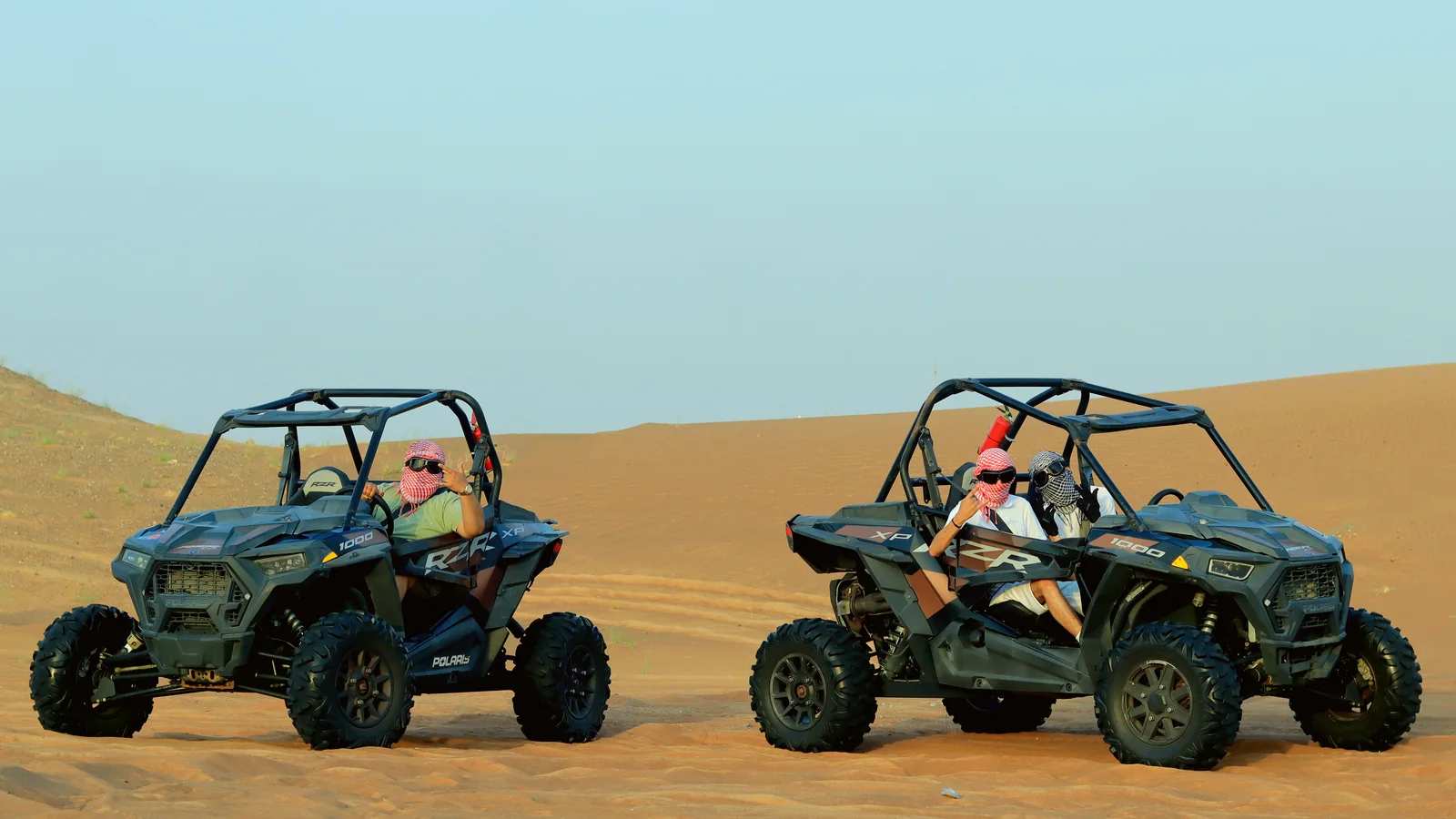
A desert buggy ride is one of the most memorable ways to see Dubai’s landscape, but the experience depends heavily on the operator you choose. Do your research, ask the right questions, and trust your instincts. A company that is transparent about its equipment, safety procedures, and pricing is far more likely to give you a great day out. If you are looking for a starting point, you might consider a well-known operator such as Buggy Ride Dubai. They have built a reputation on the quality of their vehicles and the professionalism of their guides. You can find more details about their trips by visiting buggyridedubai.com directly. That said, the same checks apply no matter who you book with.
Timing and weather
Dubai’s desert is at its best in the cooler months, from October to April. Summer rides are possible, but the heat can be punishing, especially in the middle of the day. Most operators run morning and late afternoon sessions. The late afternoon slot has the advantage of sunset views and cooler temperatures. Book early if you want that slot, as it is the most popular. Also, consider the time of day in relation to the sun’s position. A morning ride means the sun is behind you, reducing glare. An afternoon ride means the sun is in front, which can make seeing the dunes harder.
Weather conditions also affect the ride. Strong winds whip up sand and reduce visibility. Heavy rain (rare in Dubai) can make the sand compact and slippery. A good operator will monitor the forecast and may offer to reschedule if conditions are dangerous. Do not push for a ride in bad weather, it is not worth the risk.
Your own driving experience
If you have never driven a buggy on sand before, be honest about your skill level. The vehicles handle differently on soft sand compared to tarmac. They slide and bounce, and the steering can be heavy. Most operators offer a short practice area where you can get a feel for the controls before heading into the dunes. Take advantage of that if it is offered. Also, listen carefully to the guide’s instructions on how to drive up and down dunes. The technique is different from what you might expect, and getting it wrong can lead to getting stuck or tipping over.
If you are an experienced driver, you might want a faster, more challenging route. Some operators offer a ‘pro’ or ‘advanced’ session that lets you push the buggy harder. Ask about that when you book. The key is to match the experience to your ability so that you come away with a smile, not a headache.
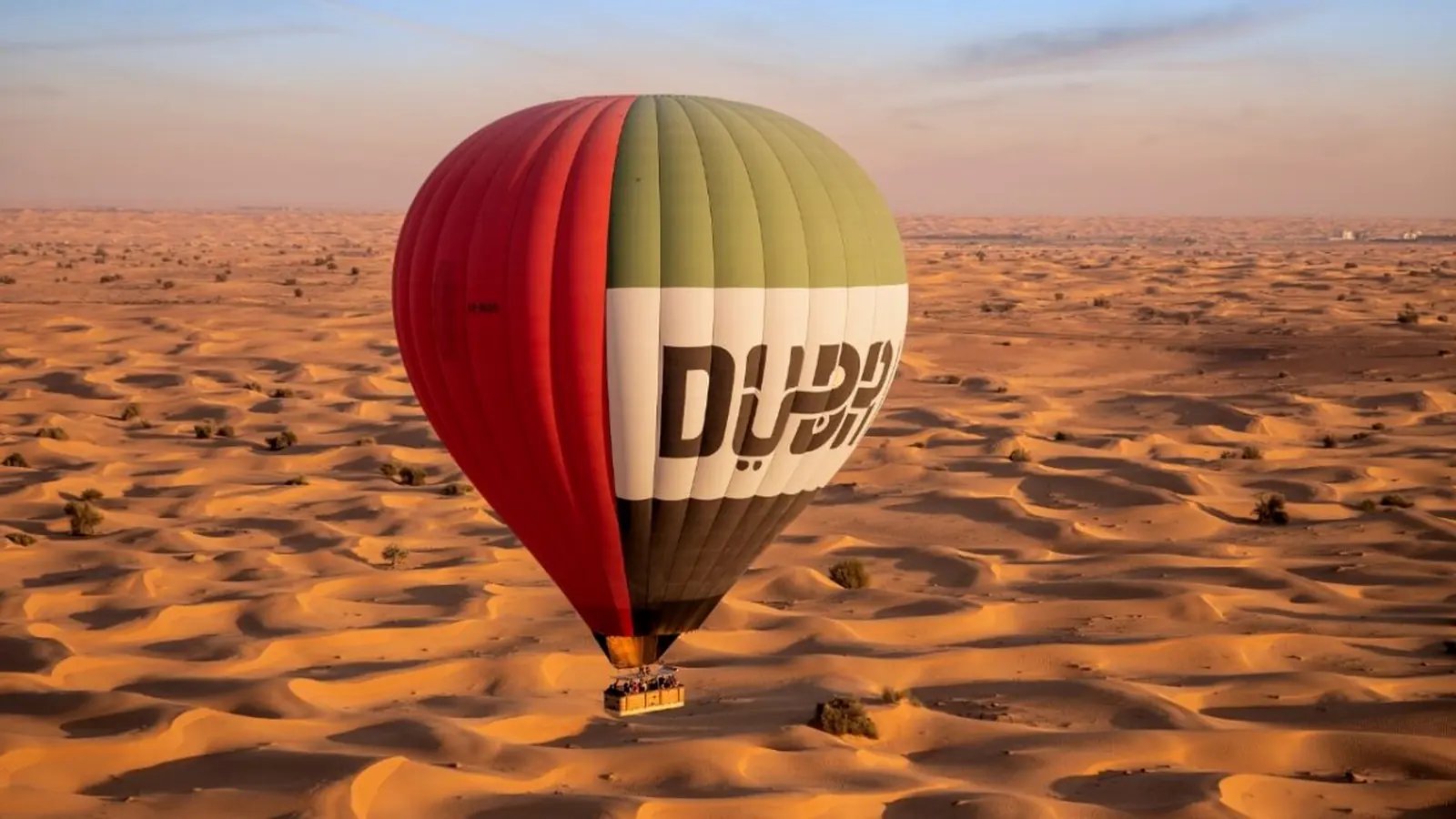
A final point: respect the desert. The dunes are a fragile ecosystem. Stick to the designated tracks, do not chase wildlife, and take your litter with you. A responsible operator will emphasise this. A company that ignores environmental impact is probably cutting corners elsewhere too.
The right preparation makes all the difference between a fantastic memory and a frustrating day. Check the vehicle, the safety gear, the insurance, the route, and the operator’s reputation. Ask questions until you feel confident. A trip with a reliable company like Buggy Ride Dubai can be a highlight of your visit. You can learn more about their offering at buggyridedubai.com. Once you have done your checks, all that is left is to enjoy the ride.
 Facebook
 Instagram
 YouTube